Arizona Genetics Core

RRID:SCR_012429

New technology introduction - AZ Genetics Core (Sept 7, 2024)

Date of publication

Come learn about the newest technology that we've added to the Arizona Genetics Core facility.

During this lunch and learn event, you will have the opportunity to:

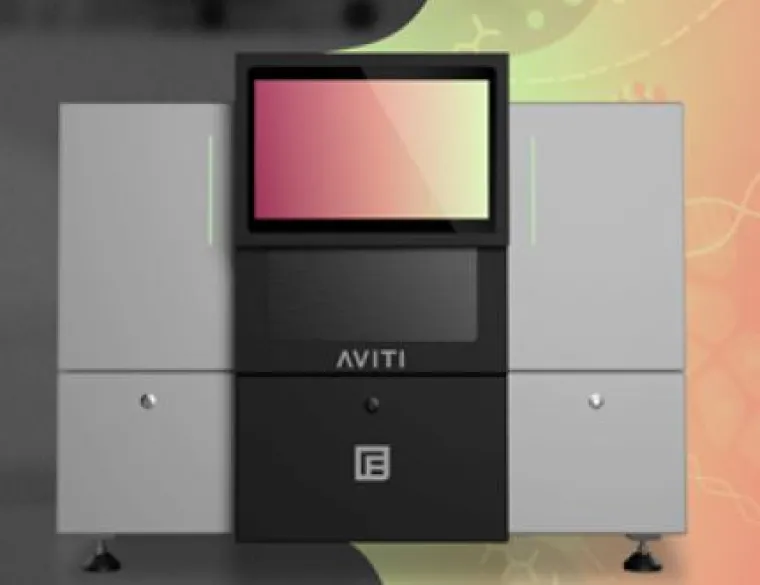
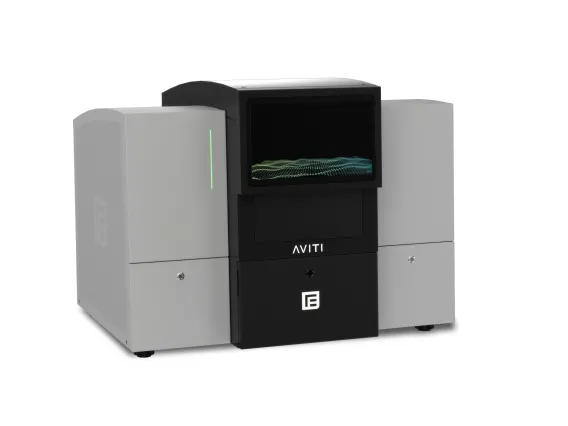
  • Learn about the new Element AVITI sequencer available to support research on campus, offering the highest on-market accuracy with lowered costs
  • Engage with experts from AZGC and Element Biosciences to discuss projects and applications
  • Gain insights into future capabilities of AVITI24, a system capable of delivering multiomic insights including RNA, Proteins, and cell morphology at a single-cell level

Location: Keating/BIO5 building 1657 e Helen St, Room 103
Date: Thursday, September 12th
Time: 12:00-1:30PM
Registration in advance is requested: https://go.elementbiosciences.com/UofArizonaseminar

Agenda

  • What’s New at Arizona Genetics Core, Barbara Fransway, Manager, Genomic Research Services, Arizona Genetics Core
  • Novel Developments in NGS, Unlocking Further Insights with AVITI, Spence Fast, M.Sc., Applications Technical Specialist, Element Biosciences
  • AVITI Data in Action- scRNASeq cross-platform data review, Martin Deymier, PhD, Single Cell Service Lead, Arizona Genetics Core


Related Facility

RII Core Facility Pilot Grants - August 2, 2024 deadline

Date of publication

Description: The RII Core Facilities Pilot Program is designed to support three key types of activity within the RII-managed core facilities. Each CFPP proposal will be evaluated on scientific merit and feasibility, and should focus on one or more of the following activity types:

  1. The development of new methods or techniques that would extend the standard operating procedures and capabilities of RII-managed core facilities and potentially impact multiple UA researchers. Successful projects will result in new methods or techniques which will be disseminated to the UA research community via the core’s website, and be incorporated into the core’s standard operating procedures and capabilities.
  2. The acquisition of preliminary data needed for extramural proposals. Successful projects will result in at least one new extramural research proposal. PIs must note the specific extramural funding opportunity announcement for which they plan to submit and their anticipated submission date along with their CFPP application. A full justification of the anticipated studies is required.
  3. The technical training of students conducting research under existing extramural funding. Successful projects will result in student researchers with the technical skills to operate equipment safely, efficiently and independently within the core facility(ies). PIs should note the student(s) to be trained, the core(s) in which they will be trained, the equipment on which they are to be trained, and the funding source under which the student’s research project is funded. Proposals to train students from traditionally marginalized groups will be given funding priority.

Due date: August 2, 2024 at 5pm

UA Cultivate link: https://azcultivate.arizona.edu/#competitionDetail/1943071

RII Core Facility Pilot Grants - May 1, 2024 deadline

Date of publication

Description: The RII Core Facilities Pilot Program is designed to support three key types of activity within the RII-managed core facilities. Each CFPP proposal will be evaluated on scientific merit and feasibility, and should focus on one or more of the following activity types:

  1. The development of new methods or techniques that would extend the standard operating procedures and capabilities of RII-managed core facilities and potentially impact multiple UA researchers. Successful projects will result in new methods or techniques which will be disseminated to the UA research community via the core’s website, and be incorporated into the core’s standard operating procedures and capabilities.
  2. The acquisition of preliminary data needed for extramural proposals. Successful projects will result in at least one new extramural research proposal. PIs must note the specific extramural funding opportunity announcement for which they plan to submit and their anticipated submission date along with their CFPP application. A full justification of the anticipated studies is required.
  3. The technical training of students conducting research under existing extramural funding. Successful projects will result in student researchers with the technical skills to operate equipment safely, efficiently and independently within the core facility(ies). PIs should note the student(s) to be trained, the core(s) in which they will be trained, the equipment on which they are to be trained, and the funding source under which the student’s research project is funded. Proposals to train students from traditionally marginalized groups will be given funding priority.

Due date: May 1, 2024 at 5pm
UA Cultivate link: https://arizona.infoready4.com/#competitionDetail/1915018

RII Core Facility Pilot Grants - Feb 7, 2024 deadline

Date of publication

Description: The RII Core Facilities Pilot Program is designed to support three key types of activity within the RII-managed core facilities. Each CFPP proposal will be evaluated on scientific merit and feasibility, and should focus on one or more of the following activity types:

  1. The development of new methods or techniques that would extend the standard operating procedures and capabilities of RII-managed core facilities and potentially impact multiple UA researchers. Successful projects will result in new methods or techniques which will be disseminated to the UA research community via the core’s website, and be incorporated into the core’s standard operating procedures and capabilities.
  2. The acquisition of preliminary data needed for extramural proposals. Successful projects will result in at least one new extramural research proposal. PIs must note the specific extramural funding opportunity announcement for which they plan to submit and their anticipated submission date along with their CFPP application. A full justification of the anticipated studies is required.
  3. The technical training of students conducting research under existing extramural funding. Successful projects will result in student researchers with the technical skills to operate equipment safely, efficiently and independently within the core facility(ies). PIs should note the student(s) to be trained, the core(s) in which they will be trained, the equipment on which they are to be trained, and the funding source under which the student’s research project is funded. Proposals to train students from traditionally marginalized groups will be given funding priority.

Due date: February 7, 2024 at 5pm
UA Cultivate link: https://arizona.infoready4.com/#competitionDetail/1915016 

RII Core Facility Pilot Grants - Nov 1, 2023 deadline

Date of publication

Description: The RII Core Facilities Pilot Program is designed to support three key types of activity within the RII-managed core facilities. Each CFPP proposal will be evaluated on scientific merit and feasibility, and should focus on one or more of the following activity types:

  1. The development of new methods or techniques that would extend the standard operating procedures and capabilities of RII-managed core facilities and potentially impact multiple UA researchers. Successful projects will result in new methods or techniques which will be disseminated to the UA research community via the core’s website, and be incorporated into the core’s standard operating procedures and capabilities.
  2. The acquisition of preliminary data needed for extramural proposals. Successful projects will result in at least one new extramural research proposal. PIs must note the specific extramural funding opportunity announcement for which they plan to submit and their anticipated submission date along with their CFPP application. A full justification of the anticipated studies is required.
  3. The technical training of students conducting research under existing extramural funding. Successful projects will result in student researchers with the technical skills to operate equipment safely, efficiently and independently within the core facility(ies). PIs should note the student(s) to be trained, the core(s) in which they will be trained, the equipment on which they are to be trained, and the funding source under which the student’s research project is funded. Proposals to train students from traditionally marginalized groups will be given funding priority.

Due date: November 1, 2023 at 5pm
UA Cultivate link: https://arizona.infoready4.com/#competitionDetail/1912027

Core Facility Pilot Program (August 3, 2023 deadline)

Date of publication

The RII Core Facilities Pilot Program is designed to support three key types of activity within the RII-managed core facilities. Each CFPP proposal will be evaluated on scientific merit and feasibility, and should focus on one or more of the following activity types:

  1. The development of new methods or techniques that would extend the standard operating procedures and capabilities of RII-managed core facilities and potentially impact multiple UA researchers. 
  2. The acquisition of preliminary data needed for extramural proposals. Successful projects will result in at least one new extramural research proposal. 
  3. The technical training of students conducting research under existing extramural funding. Proposals to train students from traditionally marginalized groups will be given funding priority.

Most awards will be capped at approximately $10,000, although well-justified projects may be awarded funding above this level.

List of eligible facilities:

  1. Analytical and Biological Mass Spectrometry
  2. Flow Cytometry and Human Immune Monitoring Shared Resource (BD LSR, BD, FACSARIA, BD Canto)
  3. Functional Genomics Core
  4. Imaging Cores - Electron
  5. Imaging Cores - Optical
  6. Machining and Welding Center
  7. Micro/Nano Fabrication Center
  8. Translational Bioimaging Resource
  9. University of Arizona Genetics Core
  10. BIO5 Genetically Engineered Mouse Models (GEMM) Core
  11. Arizona Genomics Institute

Proposals are due: AUGUST 2, 2023  | 5:00p 
Full Details

Data Retention Policy

AZGC will share project data with users via iLab Operations upon service completion. In the case of Next-Gen Sequencing data and Single Cell data, AZGC will transfer ownership to researchers using Cyverse, Globus or provide a physical hard drive containing your data. Once Next-Gen data ownership is accepted electronically or by accepting a physical data drive, AZGC will no longer possess a copy of this data.

Researchers are responsible for downloading and backing up data generated by our core. AZGC is not responsible for the retention of data beyond three months from the date of data generation.

All data generated using AZGC services will be shared with only the requesting researcher and their PI.  The data will not be presented without permission from the researchers.

Policy

Material Retention Policy

The Arizona Genetics Core will keep project materials on-hand for 3 months after data is returned / project is completed. After 3 months, all samples and materials will be disposed of in keeping with our SOPs. If you would like to receive your materials back from us please arrange with Arizona Genetics Core during the project planning stages. If you have questions about this policy please contact our facility.

Policy